
Life COMET Capacity Building Report
Building capacity in four different countries
The Capacity Building Report details the methodology and capacity building events developed and deployed throughout the Life COMET project in order to replicate good practices for building national coalitions of energy communities in Bulgaria, the Czech Republic, Latvia, and Lithuania. Based on a preliminary stakeholder mapping exercise and a capacity building needs assessment, the capacity building activities entailed the organisation of online and in-person events.
The project sought to adapt successful coalition-building strategies to diverse national contexts, aiming to empower local actors and establish networks of actors capable of driving citizen-led energy transitions.
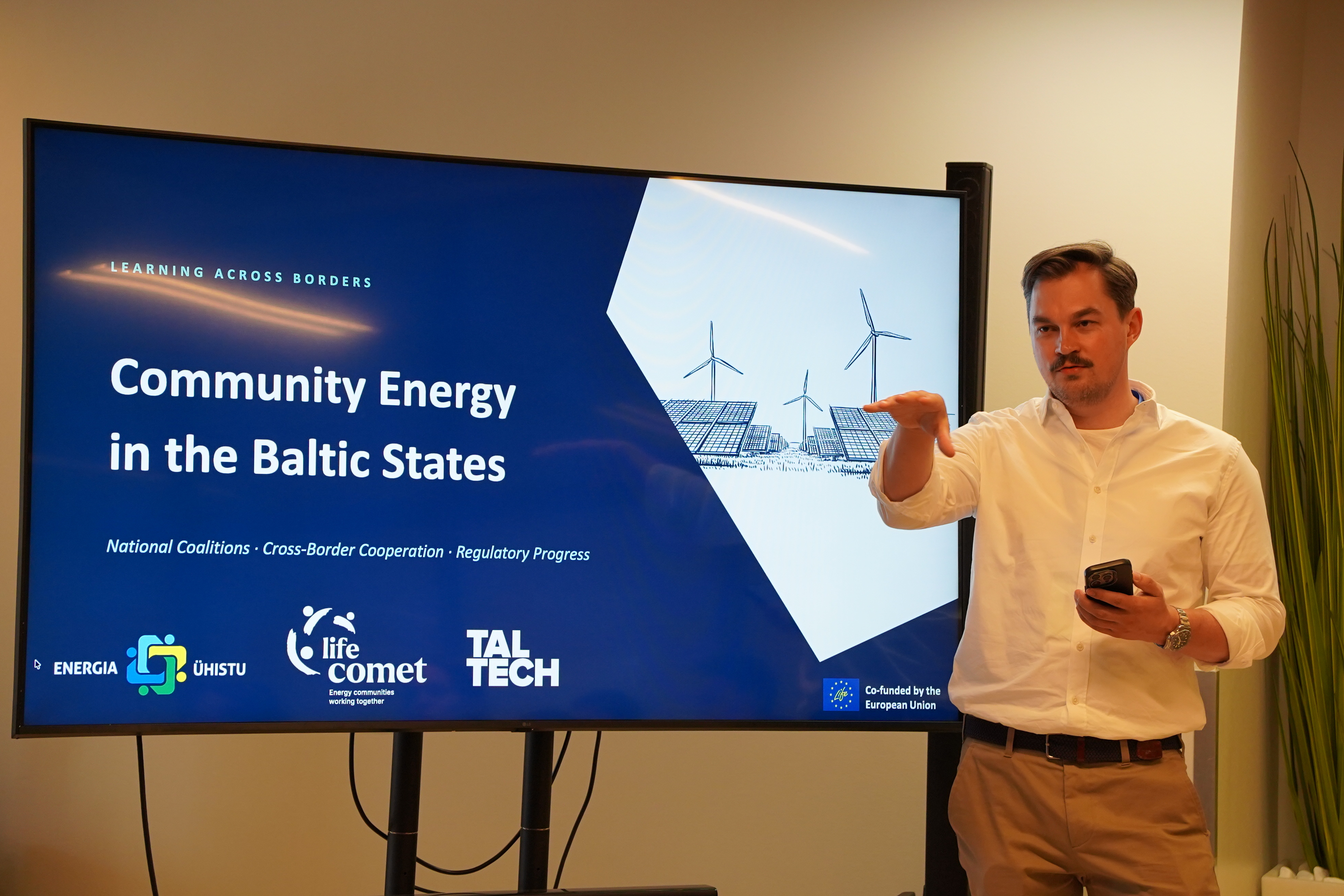
By pairing replication countries with experienced consortium partners from Estonia (Tal Tech), Greece (Electra Energy Cooperative), and Poland (Coop Tech Hub), the project ensured that activities were also tailored specifically to the context and needs of local partners, facilitating essential peer-to-peer learning and regional cooperation across borders.
Implementation varied significantly by country to address specific local priorities. In Bulgaria, efforts focused on supporting municipalities and building trust through workshops in Plovdiv and Sofia. The Czech Republic activities were developed in close partnership with the existing national coalition (UKEN) to leverage existing events, emphasizing practical, community-level examples from Poland. Meanwhile, Latvia and Lithuania benefited from a joint, cross-Baltic approach that prioritized knowledge sharing and peer-to-peer exchanges to navigate shared challenges, such as grid access, bureaucratic hurdles, and the limitations of current "prosumer-focused" models.
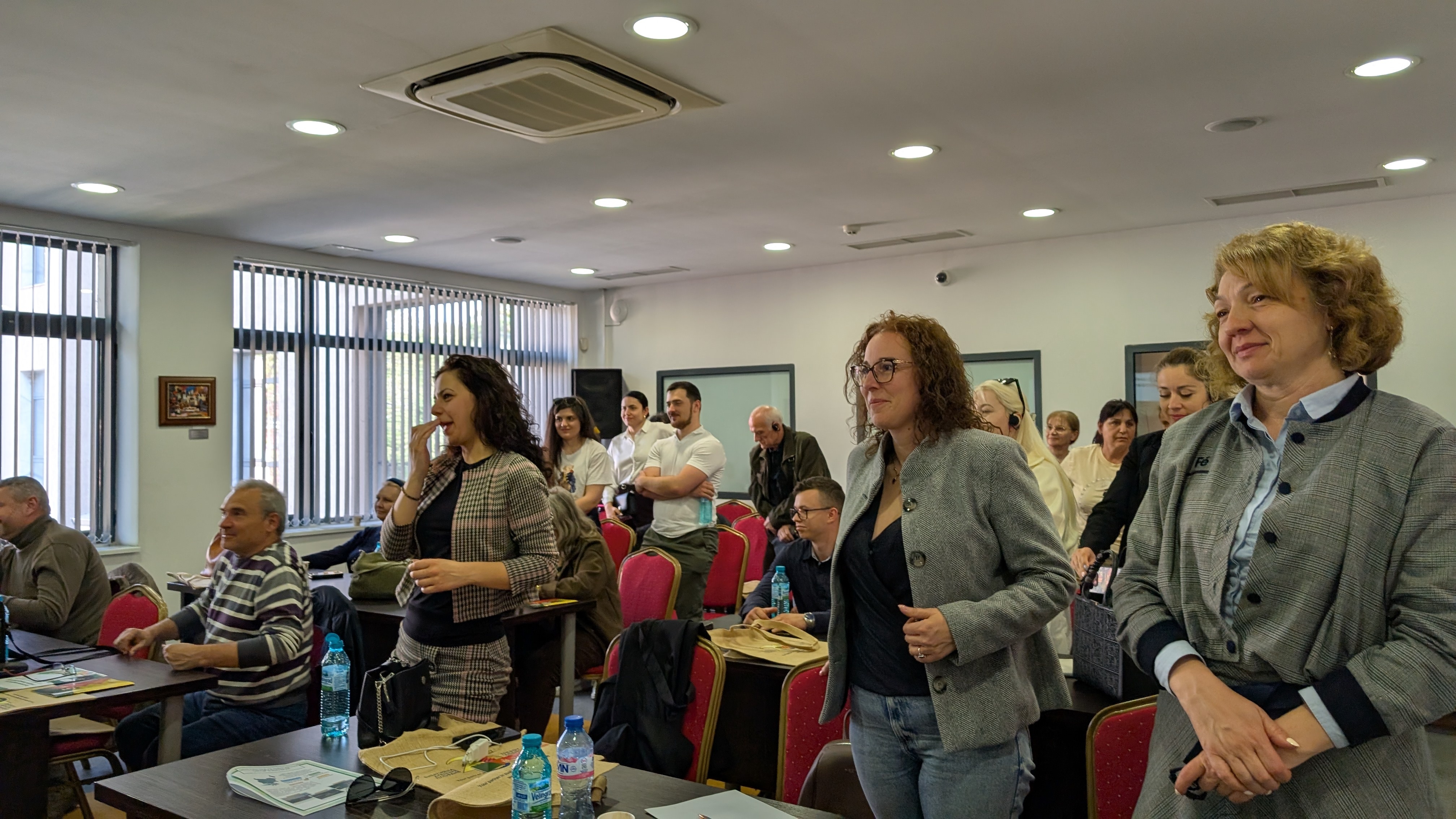
Across the project, eight capacity-building events were successfully delivered, engaging participants from diverse backgrounds, including local authorities, energy experts, and citizen initiatives.
These gatherings went beyond mere information transfer; they served as catalysts for ecosystem building, revealing interest and fostering connections where, in some cases, none existed previously.
The results confirm that while legislative frameworks are slowly improving, practical implementation often remains stalled by administrative complexity and a lack of dedicated financing mechanisms for energy communities.
National coalitions have a key role to play
A key takeaway is that replicating community energy projects and an enabling ecosystem for their development requires a tailored process of empowerment rather than a uniform duplication of models. Success depends on cultivating trust and networking, as well as adapted legal frameworks. The primary challenge remains sustaining momentum beyond individual events, a key role that can be shouldered by national coalitions of energy communities. Reinforcing the critical role of national coalitions in providing ongoing policy analysis and capacity building to local initiatives is therefore crucial to ensure tailored and efficient support to energy communities.