
News
Community energy starts with citizen interaction: Reflections from Bulgaria
By Sandy Fameliari, Electra Energy Cooperative
Community energy is often described through technical terms: grids, legislation, financing mechanisms, kilowatts. But at its core, it is about people. It is about neighbours deciding to collectively shape their energy future, municipalities exploring fairer ways to access renewable energy and civil society organisations building systems rooted in participation rather than extraction. Across Europe, community energy initiatives are showing that the energy transition is not only a technological challenge, but also a democratic and social one.
In Central and Eastern Europe, however, the path toward citizen-led energy systems remains uneven. While European legislation has opened new opportunities for energy communities, many countries still face fragmented support structures, regulatory uncertainty, and limited public awareness. This is precisely where the Life COMET project comes in.
Life COMET supports the development of National Community Energy Coalitions across the region. The project aims to strengthen enabling frameworks, provide training and technical assistance, and connect emerging movements through peer learning and collaboration. Beyond the seven pilot countries, the initiative also supports replication efforts in countries such as Bulgaria, where the foundations for a stronger community energy movement are beginning to take shape.
But why focus so strongly on coalitions?
Because community energy initiatives rarely succeed in isolation. Across Europe, many citizen-led projects face similar barriers: complex permitting procedures, unstable regulation, lack of financing tools, limited institutional recognition, and low public awareness. Individual energy communities, municipalities or grassroots groups often struggle to influence policy or sustain momentum on their own.
Coalitions help change that. By bringing together energy communities, cooperatives, NGOs, municipalities, experts, local initiatives, and citizens, they create stronger collective voices capable of promoting enabling legislation, sharing knowledge and resources, amplifying visibility, and supporting emerging projects. Coalitions also help transform scattered interest into coordinated action, building the long-term resilience necessary for community energy ecosystems to grow. This understanding is central to the work of Electra Energy Cooperative in Greece.
Over the past years, Electra has worked extensively to support citizen participation in the energy transition and strengthen the ecosystem around energy communities. One of the key milestones of this effort was the creation of Desmi, the Greek national coalition for community energy. Desmi was established to connect actors working on energy democracy across Greece, encourage collaboration between initiatives and collectively campaign for fairer and more inclusive energy policies.
The experience of building Desmi demonstrated something important: creating a coalition is not simply an organisational exercise. It is a process of trust-building, knowledge-sharing, and community formation. It creates spaces where actors realise they are not working alone and where collective ambition becomes possible. This is exactly why Electra travelled to Bulgaria as part of the replication activities under Life COMET.
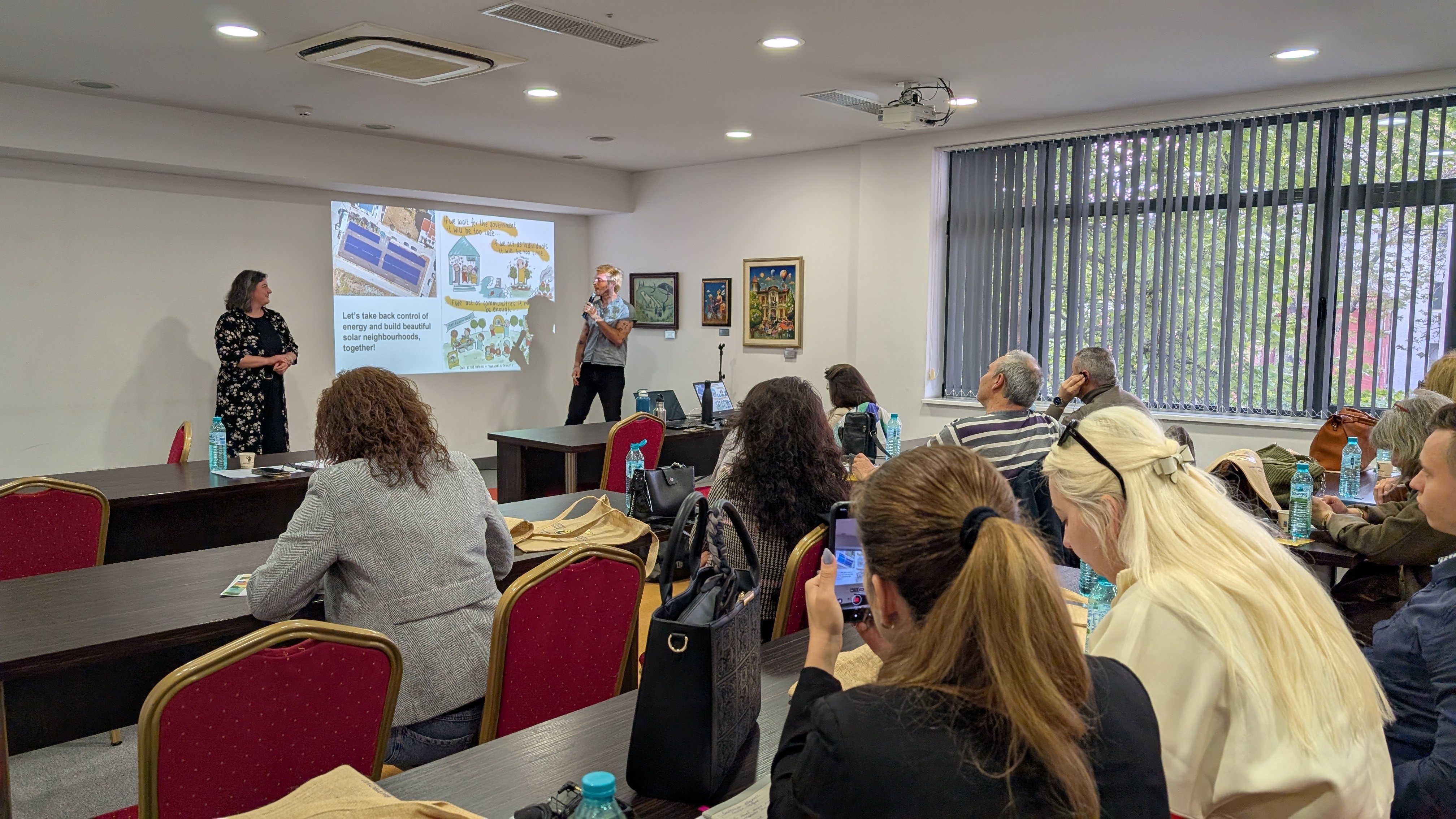
The goal was not to “export” a ready-made model, but to share lessons learned from the Greek experience, facilitate dialogue between local actors and support the emergence of a Bulgarian ecosystem adapted to local realities and needs. Replication, in this context, means creating opportunities for exchange and helping communities build their own pathways toward energy democracy.
Recent activities in Sofia and Plovdiv offered an encouraging glimpse into what that future could look like
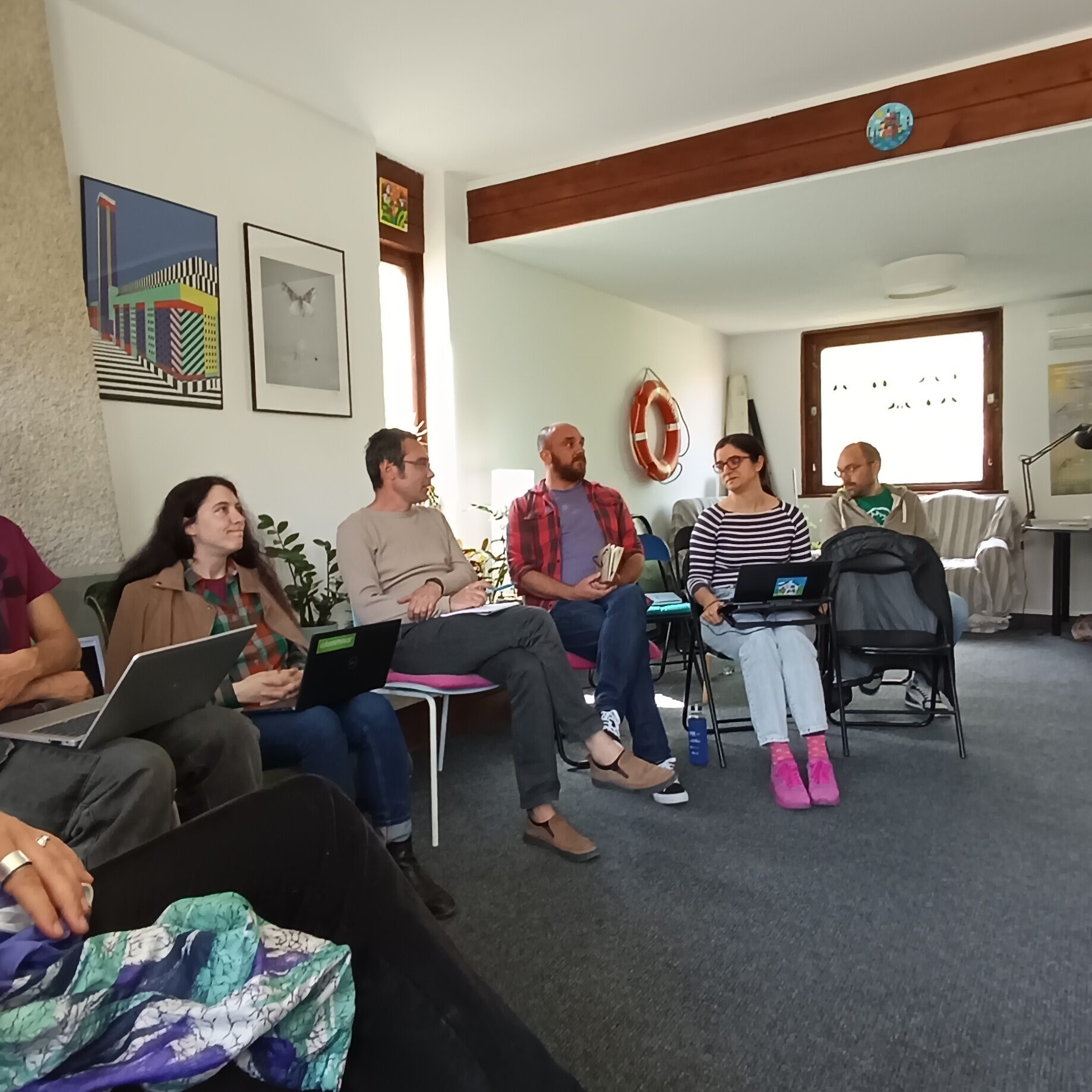
In Sofia, representatives from NGOs - primarily from Greenpeace Bulgaria and Za Zemiata - came together to discuss concrete campaign examples, policy promotion strategies, political developments and the potential creation of a national coalition for community energy.
The conversation quickly revealed a shared frustration: despite growing interest, community energy initiatives in Bulgaria continue to face significant structural barriers. Political instability and the lack of a stable regulatory framework have slowed progress and created uncertainty for citizens and organisations eager to move forward.
Yet the meeting also highlighted something equally important: the willingness to continue. Participants explored ways to coordinate efforts nationally, strengthen collaboration between organisations and build a common narrative around energy democracy and citizen participation. The fact that partners immediately moved toward public communication on best practices and coalition-building efforts reflects a growing recognition that isolated initiatives are no longer enough - collective structures are needed to create lasting change.
This approach aligns closely with one of the central pillars of Life COMET: the development of national community energy coalitions as platforms that connect grassroots initiatives, municipalities, experts and civil society actors. These coalitions play a critical role in translating practical experience into policy dialogue, reducing fragmentation and strengthening long-term resilience within the movement.
A day later in Plovdiv, the momentum became even more tangible
An open workshop brought together around 30 participants from municipalities, public bodies, civil society organisations and local initiatives to discuss practical approaches to community energy development. The workshop focused on municipality-driven energy community models, examples from Greece and other Life COMET countries, coalition governance structures, collective renovation models, and funding opportunities for local energy initiatives.
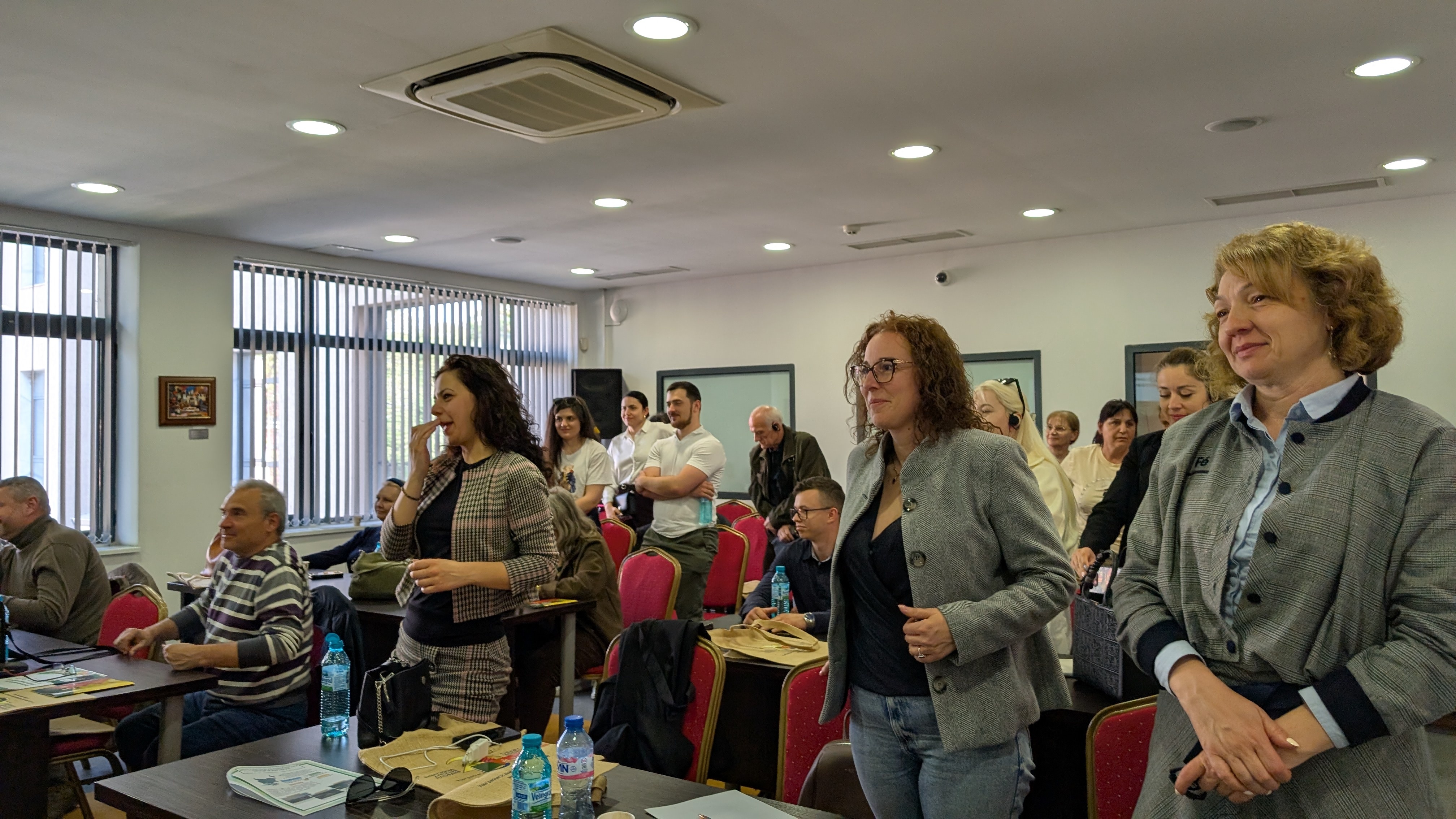
One of the most encouraging aspects of the workshop was the level of engagement among participants. At one point, the discussion became so lively that the facilitators themselves almost faded into the background. Participants exchanged ideas, shared frustrations, and explored possible solutions among themselves - exactly the kind of organic interaction that community energy processes depend on.
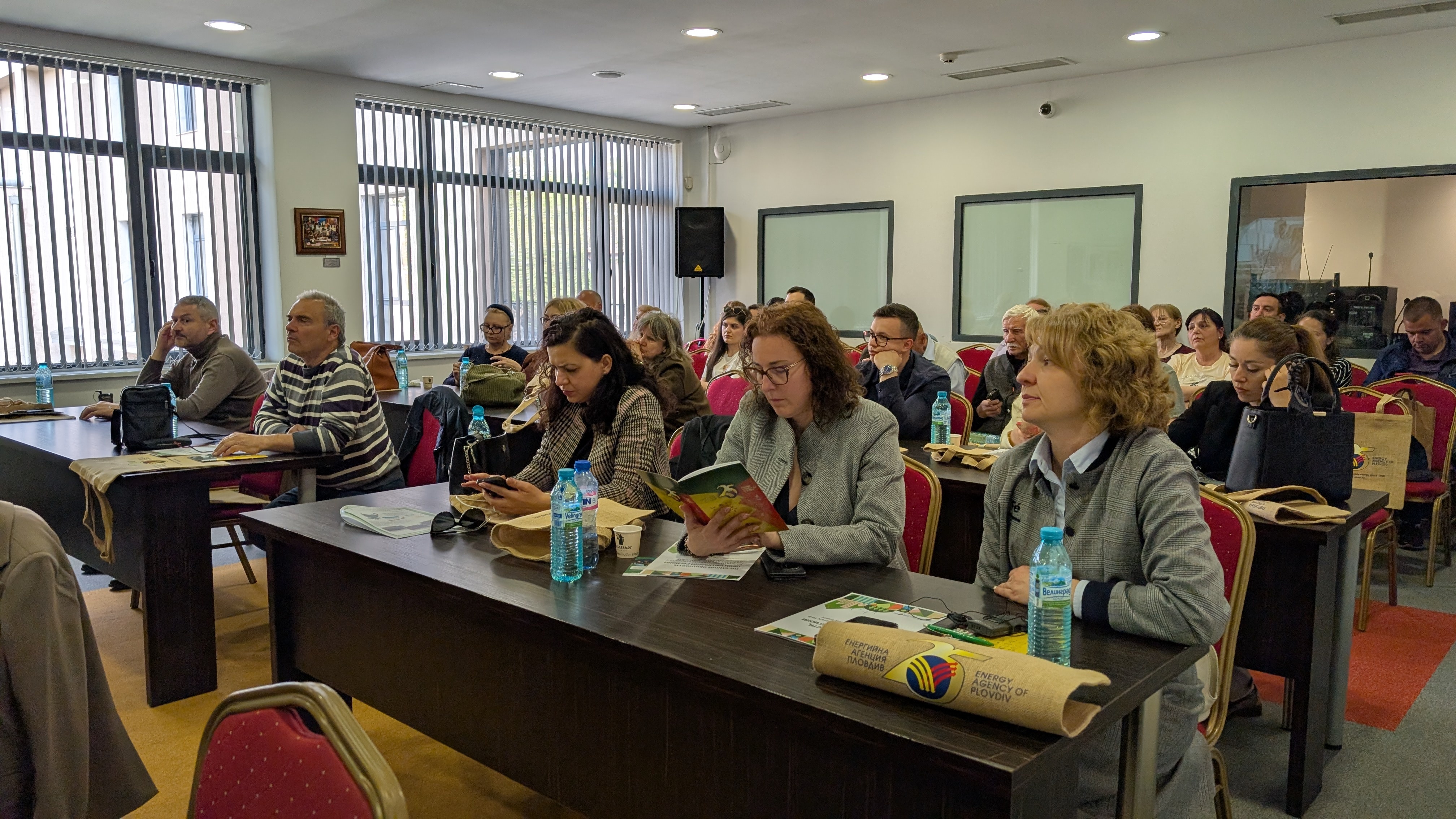
One piece of feedback captured the atmosphere particularly well: several participants admitted they “didn’t know so many people were interested in community energy.” - a reminder that simply creating spaces for connection and dialogue can already be an important step toward building stronger local ecosystems.
One of the biggest challenges facing emerging community energy movements is not only regulation or financing, but visibility. Many people interested in collective energy solutions often feel isolated, assuming there is no broader ecosystem around them. Simply creating spaces where people can meet, exchange experiences, and realise they are not alone can become a powerful catalyst for further action.
This is also reflected in the broader philosophy behind the Life COMET Toolkit, which emphasises that building strong energy communities requires more than technical expertise. It involves stakeholder mobilisation, inclusivity, communication and knowledge-sharing alongside regulatory and financial development.
The challenges ahead in Bulgaria remain substantial. Regulatory gaps, political instability, administrative complexity, and limited institutional support continue to create difficult conditions for citizen-led initiatives. But the first signals are encouraging. What emerged in Sofia and Plovdiv was not only interest, but readiness: readiness to collaborate, to organise, to exchange knowledge, and to begin imagining community energy as a shared societal project rather than a niche concept. The diversity of participants, the strong engagement during discussions, and the spontaneous connections formed throughout the events all suggest that the foundations of a broader movement may already exist.
And perhaps that is the most important lesson from these first replication activities in Bulgaria: community energy does not begin with infrastructure. It begins with people discovering each other.